
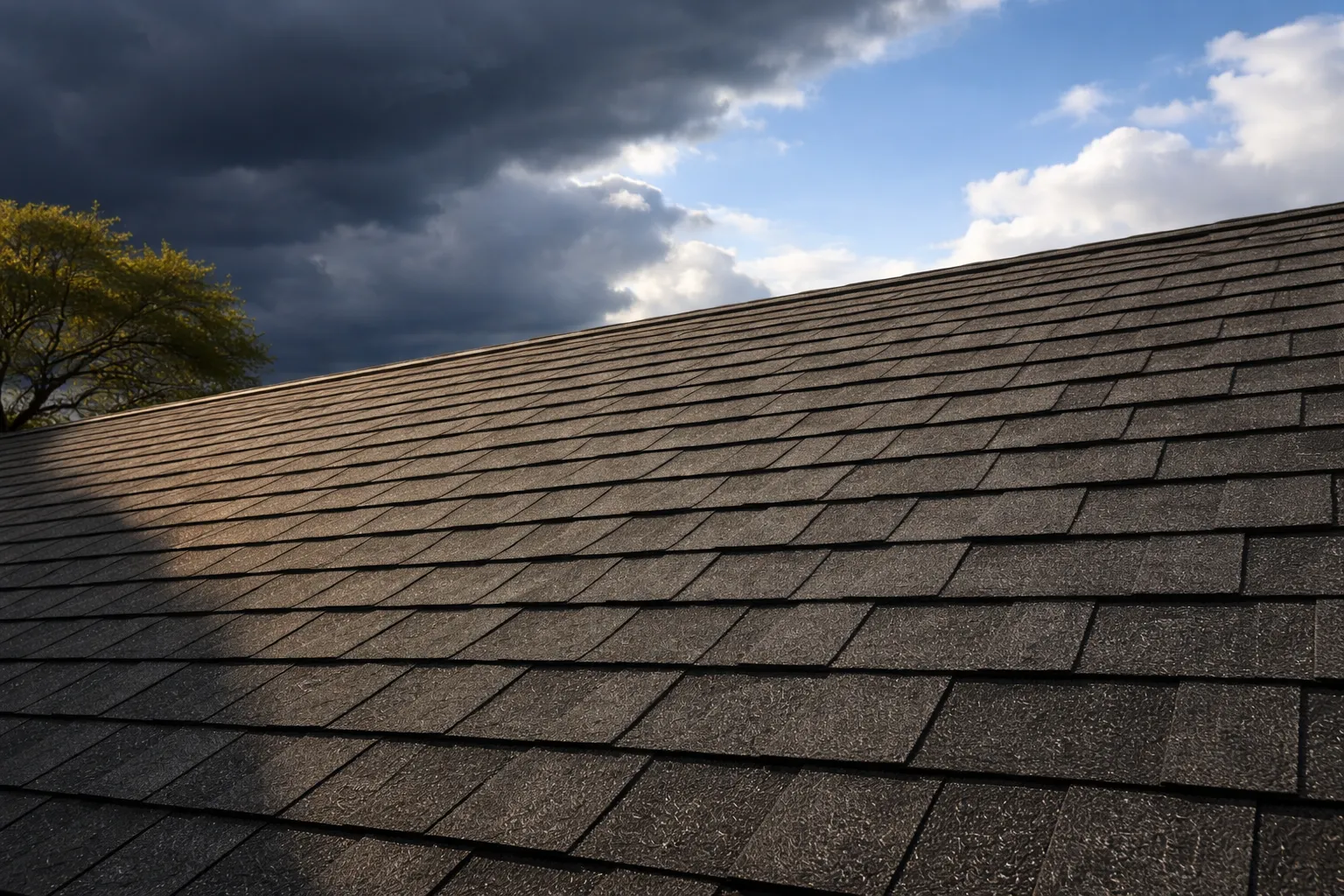
Spring in Austin means bluebonnets, warmer days — and some of the heaviest rainfall of the year. March through May typically brings the bulk of Central Texas’s annual precipitation, and if your roof has any vulnerabilities, this is when they’ll make themselves known.
The good news? A little preparation goes a long way. Here’s what our team recommends checking before the rain picks up.
Inspect Your Gutters and Downspouts
Clogged gutters are the number one cause of preventable water damage during rain season. When water can’t drain properly, it backs up under your shingles and into your fascia boards — exactly where you don’t want it.
- Clean out all debris — leaves, twigs, and sediment from winter
- Check for sagging sections where water pools instead of flowing
- Verify downspouts direct water at least three feet away from your foundation
- Look for rust, cracks, or separated joints that could leak during heavy flow
If your gutters overflow during a moderate rain, that’s a sign they need attention before the big storms hit.
Check for Missing or Damaged Shingles
Winter weather — even Austin’s mild version — takes a toll on shingles. UV exposure, temperature swings, and occasional ice can crack, curl, or loosen them over time.
Walk your property and look up at the roof from multiple angles:
- Missing shingles leave your decking directly exposed to rain
- Curling or buckling shingles no longer seal properly against wind-driven rain
- Granule loss (check your gutters for sandy buildup) means shingles are aging out
- Cracked shingles will let water through at the fracture points
You don’t need to climb on the roof yourself — binoculars work fine from the ground. If anything looks off, that’s when you call a professional.
Examine Flashing Around Penetrations
Flashing is the metal material that seals the joints around chimneys, vents, skylights, and where your roof meets a wall. It’s one of the most common leak points, and it’s easy to overlook.
Look for:
- Lifted or bent flashing that’s pulled away from the surface
- Rust or corrosion on older metal flashing
- Cracked or missing caulk around sealed edges
- Gaps between the flashing and the roof surface
Flashing failures account for a significant percentage of the roof leaks we repair in Austin. A quick inspection now can prevent water stains on your ceiling later.
Trim Overhanging Tree Branches
Austin’s mature oaks and pecans are beautiful, but branches that hang over your roof create problems during storms:
- Wind can drive branches into shingles, cracking or puncturing them
- Falling limbs during severe weather cause the most dramatic damage
- Overhanging branches drop debris that clogs gutters and holds moisture against your roof
- Shade from dense canopy promotes moss and algae growth on north-facing slopes
Trim any branches within six feet of your roof surface. For large limbs or trees near power lines, hire a certified arborist.
Look for Signs of Existing Leaks Inside
Sometimes the early warning signs are inside your home, not on the roof. Before the heavy rains start, check:
- Attic spaces for daylight coming through, water stains, or damp insulation
- Ceilings in upper-floor rooms for discoloration, bubbling paint, or soft spots
- Walls near the roofline for staining or peeling paint
- Musty odors in rooms directly below the roof — often a sign of hidden moisture
If you find any of these, don’t wait for the next downpour to confirm the problem. An existing leak will only get worse with spring storms.
Schedule a Professional Inspection
A trained roofing specialist can spot issues that aren’t visible from the ground — deteriorated underlayment, nail pops, worn boot seals around pipes, and subtle signs of deck damage.
At J-Conn Roofing, our inspections are always free and come with no obligation. We’ll inspect your roof and provide a detailed estimate of any work needed, letting you know exactly what needs attention — and what can wait.
The best time to fix a roof is before it leaks. If your roof is more than 15 years old, or if you’ve had hail in the last year, a pre-rain-season inspection is especially smart.
Don’t Wait for the First Leak
Austin’s spring storms can drop heavy rain in a short window. A roof that seems fine in February can be leaking by April if small issues go unaddressed. The repairs are almost always simpler and less expensive when caught early.
Ready to get ahead of rain season? Call us at (512) 479-0510 to schedule your free roof inspection. We’ll make sure your home is protected before the storms arrive.